Specifications
| INCI name | Carbomer |
|---|---|
| Chemical name | Cross-linked polyacrylic acid |
| Synonyms | Carbomer 940, Polyacrylic acid, Carboxypolymethylene |
| CAS number | 9003-01-4 |
| Grade | Cosmetic |
| Appearance | White fluffy hygroscopic powder |
| Assay | ≥ 99% |
| pH | 2.5 - 3.5 (0.5% dispersion) |
| Solubility | Disperses in water; swells and thickens on neutralisation |
| Typical use level | 0.2 - 1.0% |
| Packing | 20 kg fiber drum |
| Minimum order | 20 kg |
| Origin | India / China |
| Shelf life | 24 months from date of manufacture |
Storage. Hygroscopic. Keep containers tightly closed in a cool, dry area. Avoid moisture pickup during handling.
Carbopol is a registered trademark of its manufacturer. Product is supplied as sourced; the trade name is used to identify the grade only.
About this ingredient
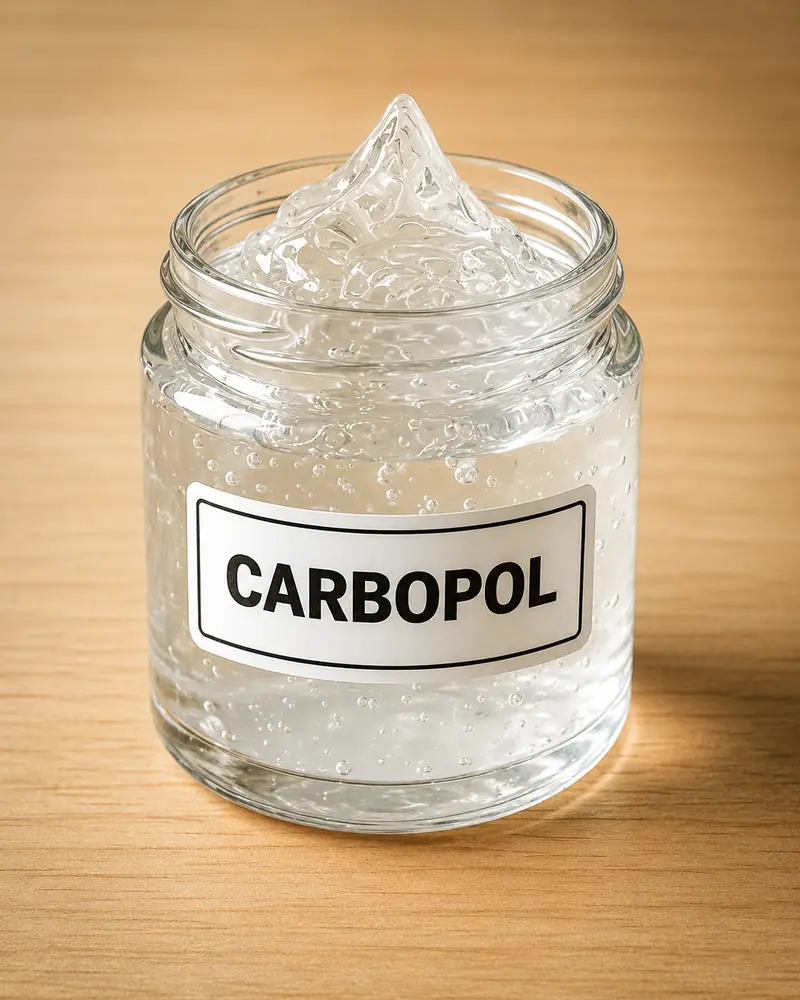
Carbopol 940 is the reference grade for clear aqueous gels. Dispersed in water it forms an acidic slurry with little viscosity; on neutralisation with an alkali such as triethanolamine or sodium hydroxide it hydrates and builds a high-viscosity, high-clarity gel. It has limited electrolyte tolerance, so salt-containing systems usually call for a different grade or for hydroxyethylcellulose instead.
Benefits
- High viscosity at very low use levels
- Excellent clarity in neutralised aqueous gels
- Suspends insoluble particles and oil droplets
- Stable viscosity across a wide temperature range
Applications
- Clear aqueous gels and hand sanitiser
- Creams, lotions and emulsion stabilisation
- Suspending systems for insoluble actives
- Topical pharmaceutical gels
Documentation
- Technical Data Sheet (TDS)Request
- Safety Data Sheet (SDS)Request
- Certificate of Analysis (COA)Download PDF
The COA is generated from our current product data and reports conformance against the standard specification — a batch-specific Certificate of Analysis carrying the measured values, batch number and dates is issued with each consignment. TDS and SDS are shared on request. More on how we document.
About Carbopol 940
Frequently asked
Not covered here? Send the question with your enquiry and we will answer it directly.
01 What is the difference between Carbopol 940 and Carbopol 980?
Both are cross-linked polyacrylic acids that build clear gels. They differ in the cross-linking solvent used in manufacture. 940 is the long-established grade; 980 is the benzene-free equivalent and is generally preferred for newer formulations and for markets with tighter residual solvent expectations.
02 Why is my Carbopol dispersion not thickening?
Carbomer only builds viscosity after neutralisation. Dispersed in water alone it sits at around pH 3 with minimal viscosity. Neutralise slowly to roughly pH 6-7 with triethanolamine or sodium hydroxide while stirring gently to avoid entrapping air.
03 Does Carbopol 940 tolerate electrolytes?
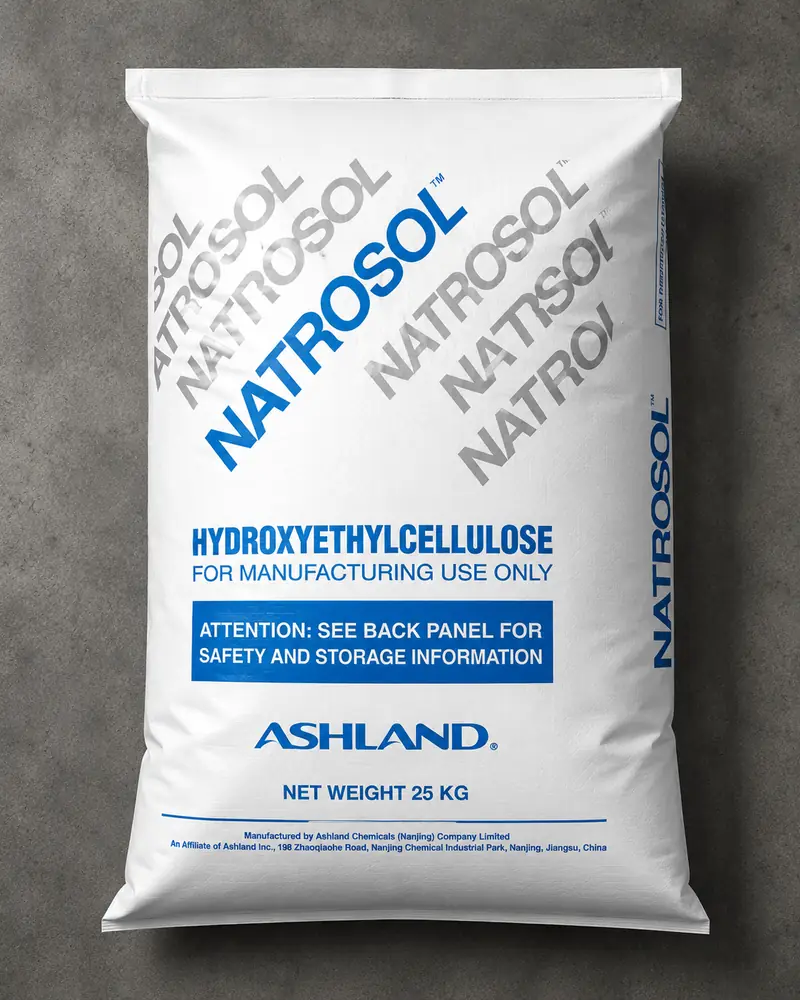
Only to a limited extent. Salts collapse the swollen network and reduce viscosity. For formulations containing meaningful electrolyte levels, hydroxyethylcellulose such as Natrosol 250 HHR is usually the better choice.